Start with the helmet standard
Every rider and pillion passenger in Australia must wear an approved helmet, and the wording of that requirement differs slightly between states. Transport for NSW states that helmets used on NSW roads must comply with AS/NZS 1698 or United Nations Economic Commission for Europe Regulation No 22, and must be labelled accordingly. Queensland's transport department lists the Australian standard plus ECE 22.05 or 22.06. Both mean the same thing in practice: buy a helmet that carries a compliance label, and read the label yourself before you pay.
Fit matters as much as certification. Measure around the largest part of your head, just above the ears, and match that measurement to the maker's size chart instead of guessing from the size you wore in another brand. A correctly fitted helmet sits firmly against your scalp all over, has no pressure points, and does not roll forward over your eyes when you push the chin bar. Second-hand helmets are a poor bet, because a hard impact leaves little external evidence and UV exposure degrades the shell over years.
- Check the compliance label inside the shell, not just the box
- Try the helmet on with the liner you will actually wear
- Confirm the visor or goggles are approved to AS 1609 if the helmet is Australian-standard approved
- Look up the model on the CRASH helmet ratings before buying
- Replace a helmet that has taken a solid hit, even if it looks undamaged
Apparel for heat and for cold
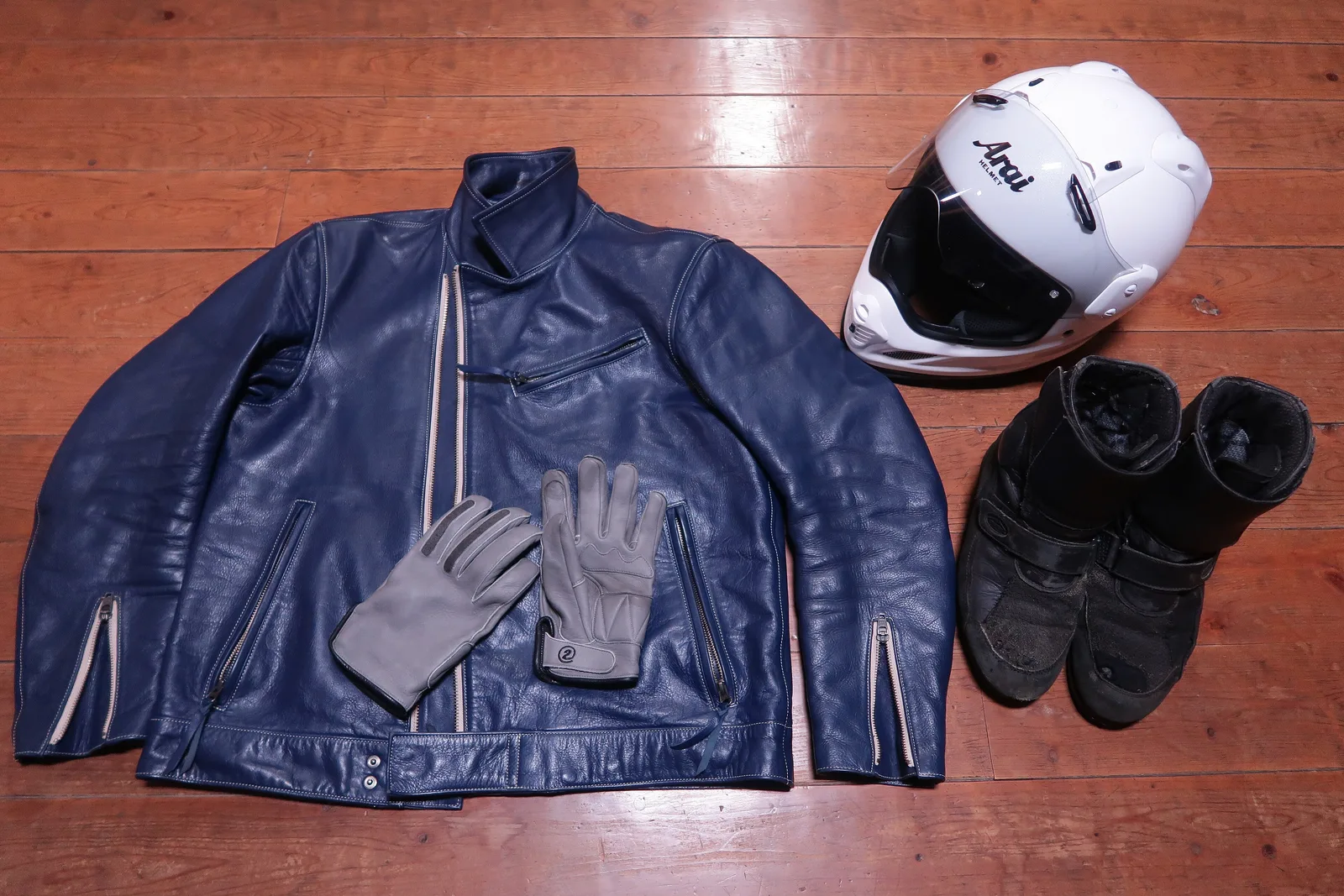
Queensland's rider guidance asks for a jacket and long pants made of abrasion- and tear-resistant material that cover your arms, legs and body, and that fasten at the wrists, waist and ankles so the clothing cannot ride up in a slide. In the tropics that means mesh panels and a light colour. In the high country it means the same coverage under a windproof shell with a thermal liner. Transport for NSW points out that venting and zip-in quilted linings now let one suit handle both ends of that range, which is why a three-season textile suit with a removable liner is the default for most Australian touring.
What changes with the country is not the coverage but the layers underneath and the spare layer in the bag. Coastal summer is a heat problem, where the risk is exhaustion rather than cold, and the answer is ventilation plus water. Alpine winter is the reverse, and the answer is stopping the wind before it stops you.
| Ride | Layer that matters most | Item riders forget |
|---|---|---|
| Coastal day ride in summer | Ventilated jacket, light colour, full-length trousers | Clear visor for the ride home after dark |
| Alpine pass in winter | Windproof shell over a thermal liner, sealed gloves | Waterproof over-gloves and a neck warmer |
| Outback in shoulder season | Mesh jacket with long sleeves for sun cover | Spare hydration bladder and a wide-brim hat for stops |
Rain, sun and the forecast trap
A rain shell earns its place on any trip longer than a day, and the useful ones have sealed seams and a hood that fits under a helmet without bunching. Waterproofing that does not breathe turns a wet ride into an overheated one, so look for pit zips or a two-layer construction rather than a plain coated shell.
Sun exposure is the part riders underestimate. A visor shades your eyes but does nothing for your neck, the backs of your hands or the strip of skin between your glove cuff and your sleeve, so long sleeves, gloves and a neck cover do more for you than any tinted screen. The same clothing that protects you in a slide also keeps the sun off, which is why Queensland's guidance pushes for full coverage rather than for what feels coolest at a standstill.
A tinted visor is an eye-comfort item, not sun protection for the back of your neck or your hands.
Gloves, boots and body armour
Queensland's guidance is specific about extremities: gauntlet-style gloves with a strengthened palm, knuckle protection and a closure at the wrist; leather boots with zip or hook-and-loop fasteners that overlap the trouser leg and cover the shin, ankle and instep; and laces avoided because they catch on pegs and levers. A back protector and a kidney belt are listed as worthwhile additions for long days, mainly for fatigue as much as for impact.
Transport for NSW adds the construction details that separate a riding jacket from a fashion one: impact protectors over the joints, seams with more than one line of stitching, at least one line of concealed stitching on exposed seams, and no external pockets or straps that could snag in a slide. Those are also the things the MotoCAP clothing ratings test, so a rating is a faster shortcut than reading a spec sheet.
- Gauntlet gloves with a strengthened palm and knuckle armour
- Boots that cover the ankle and overlap the trouser cuff
- Jacket and trousers with armour at shoulders, elbows, hips and knees
- Back protector for long days, especially on unsealed roads
Luggage that stays where you put it
The test for any luggage system is whether it stays attached when the bike hits a pothole at speed, not whether it looks tidy in a car park. Main Roads Western Australia is blunt about the principle: a load must be secured so it cannot injure people, obstruct a driver's path or damage the road surface, and the rider is responsible for that restraint. Soft panniers need a frame or strap system that keeps them clear of the wheel, the chain and the exhaust, and a tank bag needs a base that does not rely on suction cups alone.
Weight placement matters as much as attachment. Keep heavy items low and forward of the rear axle, spread the load evenly across both sides, and check the straps again after the first hour, because new luggage settles.
- Hard panniers or a rack-mounted soft system, not a bag resting on the seat
- Dry bags inside the panniers rather than trusting the pannier seal alone
- A small tank bag for documents, water and a phone you can reach without unpacking
- Straps rechecked after the first hour and at every fuel stop
Tools and spares that earn their weight
The toolkit you carry should match the fasteners on your own bike, which is why generic kits are often half useless. Work through the bike once at home with the tool roll you plan to take and remove a wheel, adjust the chain and reach the battery. Whatever you had to walk to the shed for is what belongs in the roll.
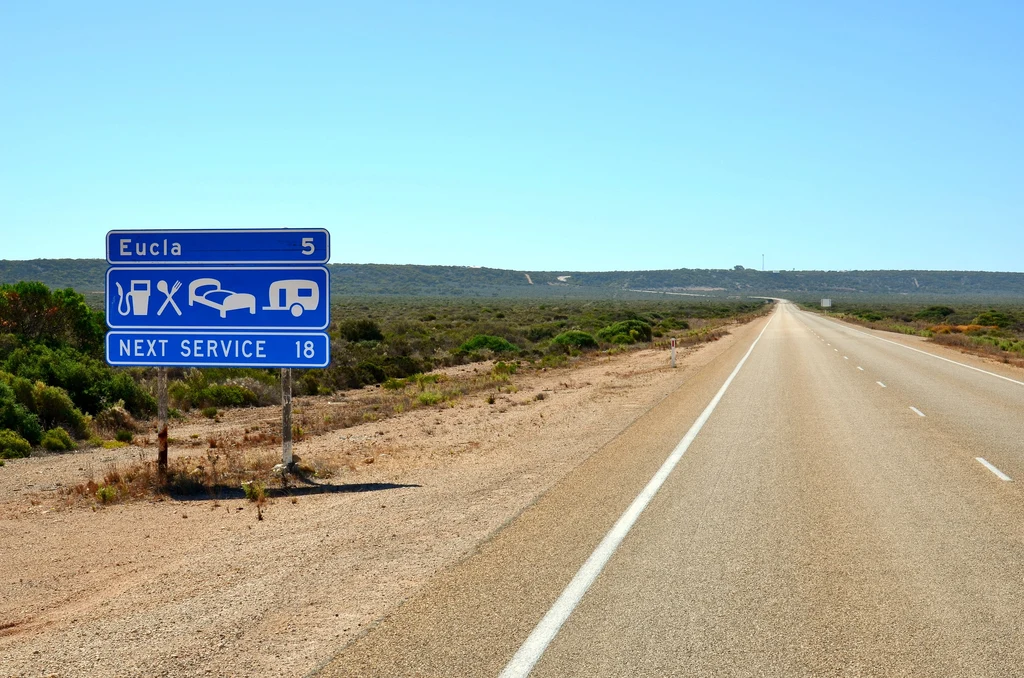
Spares are a judgement call, and the further from a town the easier that call gets. On remote roads a puncture is the most likely failure and the one you can usually fix at the roadside with plugs and a compressor, so that kit should never be the thing you left behind. For the roads where a breakdown is measured in hours rather than minutes, outback fuel and water planning covers what to add to the kit.
- Tyre plug kit and a 12 V compressor with a gauge
- Spare tube if the bike runs tubes, plus levers
- Chain lube, a spare master link and a short length of wire
- Cable ties, duct tape and a few metres of electrical wire
- Spare levers and a headlight bulb if the bike uses serviceable globes
A first aid kit you can use one-handed
Build the kit around what actually happens on a ride: gravel rash, a burn from an exhaust, a sprained wrist and shock. Pack it where you can reach it without unpacking the bike, and check it once a season so the adhesive dressings have not cooked in the heat.
Add a small personal bag for anything you take regularly, and note the expiry dates on it. If you ride with a group, it is worth knowing who among you has first aid training before you need to find out.
- Irrigation solution and sterile dressings for gravel rash
- Burn gel or a burn dressing for exhaust contact
- Crepe bandage and triangular bandage for sprains and slings
- Blunt-nose shears for cutting away clothing
- Gloves, a thermal blanket and a personal medication pouch
What changes on a long outback trip
A coastal day ride and a multi-week outback trip differ less in the gear list than in the margins. The day ride assumes a town within reach; the outback trip assumes the nearest help is hours away, so water, fuel range, a beacon and a written plan move from optional to essential. Fuel carried in containers has rules attached: WorkSafe Western Australia states that petrol should be carried in UN-approved jerry cans complying with AS 2906, and that containers filled at service stations are limited to 25 litres. Containers must be restrained upright, the vehicle ventilated, and petrol kept away from oxidising agents and fertilisers.
The other shift is accommodation. Some riders run a bike as a day-ride machine from a fixed base and move that base every few days, which is where a support vehicle starts to make sense; campervan hire in Adelaide is one way to do that without towing a trailer behind the bike. Either way, the packing principle stays the same: everything you carry should have a job, and the things that keep you alive should not be buried under the things that keep you comfortable. How much of that applies depends on where you are riding, and the region-by-region timing guide explains the conditions each coast asks you to pack for.
Questions riders ask
Is a European-standard helmet legal in Australia?
Yes, in the states that list it. Transport for NSW accepts AS/NZS 1698 or UN ECE Regulation No 22, and Queensland lists AS/NZS 1698 plus ECE 22.05 or 22.06. The helmet must be labelled accordingly, so check the label rather than the marketing description.
Do I need a personal locator beacon for outback riding?
It is strongly advised for remote areas. AMSA requires digital 406 MHz beacons, notes that 121.5 MHz beacons are no longer detected, and requires the beacon to be registered with AMSA so rescue authorities have your details.
How much petrol can I legally carry in containers?
In Western Australia, WorkSafe states that containers filled at service stations are limited to 25 litres and must be UN-approved jerry cans complying with AS 2906, restrained upright with the vehicle ventilated.
What is the minimum protective clothing in Queensland?
A jacket and long pants of abrasion- and tear-resistant material covering the arms, legs and body, fastened at the wrists, waist and ankles, plus gloves, boots and eye protection.
Sources
- Transport for NSW — Choosing the right motorcycle helmet for safety — nsw.gov.au
- Transport for NSW — Motorcyclist riding gear(nsw.gov.au)
- Queensland Government — Motorcycle safety gear(qld.gov.au)
- WorkSafe Western Australia — Transporting containers of petrol(worksafe.wa.gov.au)
- Australian Maritime Safety Authority — Beacon types and models(beacons.amsa.gov.au)